
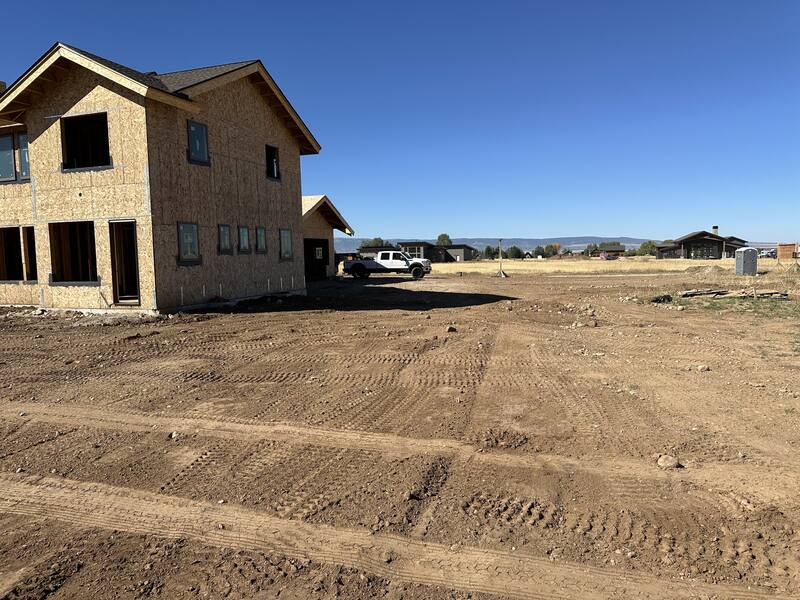
Nobody asks me this one on the first call. They ask it on the third, usually after a pause, and usually some version of: what happens if you disappear halfway through?
It is the right question. A half-built house with liens on it is the worst outcome in this business, and it happens to people who did nothing wrong except hire the low bid. Here is how to see it coming and what to do if it lands on you.
One note up front: I am a builder, not an attorney. The legal steps below are the shape of the process, not legal advice. If you are living any of the second half of this article, call an Idaho construction attorney today.
Why builders actually fail
Almost never because they can’t build. They fail because they are undercapitalized and running on other people’s money.
The pattern is always the same. A builder takes a deposit on your job and uses it to pay subs on the last job, which ran over. Now your job is behind on cash before the first shovel. So they take a deposit on the next job to cover yours. That works right up until the day one job stalls — a delay, a bad bid, a client who stops paying — and the whole chain seizes at once.
Two things accelerate it: bidding too low to win work, and growing faster than the crew and the bank account can carry. A builder who doubled his job count this year is a higher risk than one who didn’t, not a lower one.
Before you hire: eight checks
- Registration and insurance, verified at the source. Idaho contractor registration, confirmed with the state, not with a logo on a website. Then call the insurance agent listed on the certificate and confirm the policy is active and the limits are real.
- Lien and judgment search. County recorder for mechanic’s liens against projects they built. Idaho court records for collection suits and judgments. A single dispute happens to everyone. A pattern is the answer.
- Call their subs — and ask the payment question. This is the highest-signal call you can make. Get three subcontractor names and ask each one: how fast does he pay you? Subs will tell you. In a valley this small, everyone knows who pays in ten days and who pays in ninety.
- Call their suppliers. The lumberyard and the window rep know exactly who is on credit hold.
- Ask directly how they’re capitalized. “Do you have a line of credit, and do you have to have my deposit to start?” A stable builder answers plainly. A struggling one gets vague or offended — and that reaction is your answer.
- Look at the deposit structure. A modest deposit that funds mobilization and long-lead orders is normal. A large deposit before anything happens on your site is funding something else.
- Check capacity, not just quality. How many jobs are running right now, how many are finishing, and who is on your site daily? Questions to ask about crew capacity.
- Ask for the last three finished projects and call those owners. Not the three they hand you — the last three chronologically. Twelve questions to vet a builder.
Warning signs during the build
These are ranked roughly by how alarming they are. The first three mean pay attention. The last three mean act today.
- Communication gets thin. Updates stop, calls go unreturned, the weekly report quietly disappears. Builders in trouble go quiet because every conversation is about money they don’t have.
- The site goes slow without an explanation. Not weather, not a sequencing gap — just nobody there for days at a time.
- The crew shrinks, or the faces keep changing. Good subs leave builders who pay late. The replacements are cheaper for a reason.
- Material deliveries slip with vague reasons. “Supply chain” for an item you know is in stock usually means credit hold.
- A sub or supplier contacts you about payment. This is not a misunderstanding. A sub who calls the homeowner has already tried the builder and failed. Treat it as a five-alarm signal.
- Draw requests run ahead of the work. A draw for framing when framing is half done. A request to move a draw up “for cash flow.” This is the clearest single tell there is.
- Lien waivers stop coming with the draws. If you were getting them and they stop, that is because the subs aren’t being paid and won’t sign. How mechanic’s liens work in Idaho.
- Pressure to pay outside the draw schedule, in cash, or directly to a sub.
What to do at the first real sign
Do not wait to be sure. Everything here is reasonable to do on suspicion alone, and none of it damages a healthy relationship with a solid builder.
- Stop the next draw until you have lien waivers for the last one. Conditional waivers for progress payments, unconditional for amounts already paid. This single habit prevents most of the damage.
- Run a lien search on your own property. Today, and then monthly.
- Put it in writing. A calm email summarizing what you’re seeing and asking for a schedule and a payment status. You are creating a record, and the response tells you a great deal.
- Call the subs on your job directly. Ask whether they’ve been paid for work already completed on your house. You are allowed to do this.
- Tell your lender. They have a lien position on your property and a strong interest in this. They can also hold a draw, which is leverage you don’t have alone.
- Photograph everything. Date-stamped, weekly, whole site. If this ends up in a dispute, the record decides it.
If your builder walks off the job
In order, starting the day you’re confident they’re not coming back.
- Stop all payments immediately. Including any draw in process. Call your lender the same day.
- Secure the site. Lock it, cover open work, get temporary heat on if it’s winter and there’s plumbing in the walls. A frozen house is a second disaster on top of the first.
- Document the exact state of completion. Photos and video of everything, plus copies of all invoices, draws, change orders, and correspondence. Do this before anyone else touches the site.
- Read your termination clause. Most contracts require written notice and a cure period before you can terminate. Following it precisely matters later. What should be in the contract in the first place.
- Get a construction attorney. Not a general practice attorney. Idaho lien deadlines are short and unforgiving, and the notice you send next needs to be right.
- Find out who is owed. Contact every sub and supplier you can identify and ask what’s outstanding on your job. Unpaid subs can lien your property even though you paid the builder in full — that is the whole reason lien waivers exist.
- Notify your insurer and check for a performance bond or a surety. Most residential jobs don’t carry one, but if yours does, this is the claim.
- Get the remaining work priced by two builders. Expect completion pricing to run above what the same work would have cost in the original contract — a takeover builder inherits unknown conditions and warranties nobody will stand behind.
- Have an engineer or inspector review what’s already built before anyone covers it. You are about to warranty someone else’s framing.
How to structure the job so this can’t hurt you much
Most of the damage in the scenario above is preventable at contract signing:
- Draws tied to completed and inspected work, never to the calendar. You should never be ahead of the builder financially.
- Lien waivers with every single draw, from the builder and from every sub and supplier on that draw. Make it a condition of payment in the contract.
- A modest mobilization deposit, sized to real long-lead orders, not to a percentage of the contract.
- Retainage — a percentage held back until substantial completion and the punch list is closed.
- A named termination clause with a cure period and a defined method for valuing work in place.
- Direct visibility into the job. Daily logs and a weekly report mean a slowdown shows up in week one, not month three.
That last one is worth more than it sounds. Every owner I’ve talked to who got burned says the same thing: the signs were there for months, they just weren’t looking at anything that would have shown them.
For what it’s worth, on my jobs the subs get paid on Fridays, every draw carries waivers, and the owner sees a daily log from the on-site project manager plus a recorded weekly walkthrough. Not because it’s generous — because it’s the only way the best subs in this valley keep taking my calls.
Frequently asked questions
How can you tell if a home builder is in financial trouble?
Before hiring: check for a pattern of mechanic’s liens and collection judgments, call three of their subcontractors and ask how fast they get paid, call their suppliers to check for credit holds, and ask directly whether they need your deposit to start. During a build: draw requests running ahead of completed work, lien waivers that stop arriving, a shrinking or changing crew, material delays with vague explanations, and any subcontractor contacting you about payment.
What should you do if your builder walks off the job?
Stop all payments and call your lender the same day. Secure the site and protect open work, including temporary heat in winter. Document the exact state of completion with photos and video before anything changes. Read and follow your contract’s termination and cure provisions precisely. Hire a construction attorney — lien deadlines are short. Contact every subcontractor and supplier to find out who is owed, then get the remaining work priced by two builders.
Can a subcontractor put a lien on my house if I already paid the builder?
Yes. If a builder collects a draw and does not pay the subcontractors and suppliers on that draw, those parties can generally record a mechanic’s lien against the property even though the owner paid in full. Lien waivers collected with every draw are the standard protection against this. Confirm current filing deadlines and requirements with an Idaho construction attorney.
Why do custom home builders go out of business mid-project?
Almost always undercapitalization rather than lack of skill. A builder uses a new client’s deposit to cover overruns on a previous job, which leaves the new job short before it starts, and the cycle repeats. One delayed or unpaid project can seize the entire chain. Bidding too low to win work and growing job count faster than crew and cash reserves both accelerate it.
How do you protect yourself from a builder failing mid-build?
Tie every draw to completed and inspected work rather than to the calendar, so you are never ahead of the builder financially. Require lien waivers from the builder and from every subcontractor and supplier as a condition of each payment. Keep the mobilization deposit modest and tied to actual long-lead orders. Hold retainage until substantial completion. Include a termination clause with a cure period and a defined method for valuing work in place.
Run these checks on me
Every item in the eight-point list above is fair game. Ask for the sub list and the last three finished owners and make the calls. Book a 15-minute planning call and I’ll hand you the names.
— Bryce Swager, owner and lead builder, SwagerBuilds. Rigby, Idaho.