
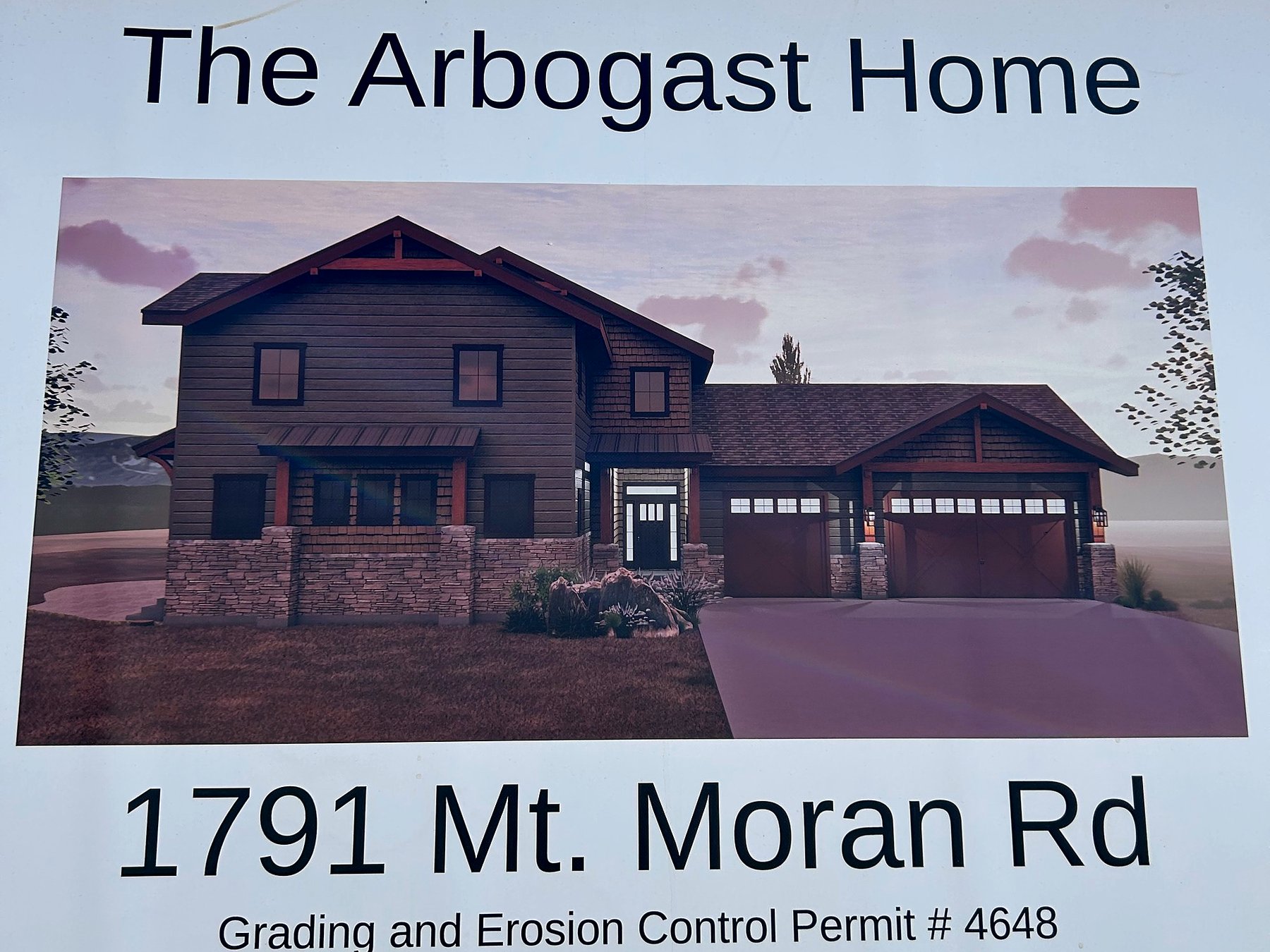
If you have never built in Teton County before, the most expensive surprise is not the per-square-foot number. It is the calendar. Out-of-state buyers come in expecting a build to break ground 60 days after they sign. In Teton County, that is almost never how it goes — and the builders who pretend otherwise are the ones whose jobs end in lawsuits.
Here is what actually has to happen, in order, before a foundation gets poured in Driggs or Victor in 2026.
Step 1 — Lot due diligence (4–8 weeks before you buy)
Before you close on the lot, run a survey, check water rights and septic feasibility, confirm setbacks, and pull a wetlands review if there is any chance of riparian buffer. Lots in Teton Valley look simple. Many are not. I have seen buyers walk into water-rights issues, septic perc-test failures, and easement problems that added six figures to the build before any shovel hit dirt.
Step 2 — Schematic design (8–12 weeks)
Get an architect or design-build team on the schematic in parallel with site due diligence. This is where the build either gets right or starts going sideways. Do not skip the energy compliance review at this stage — Idaho residential energy code adds real cost if you design for it after the fact.
Step 3 — Construction documents + engineering (8–12 weeks)
Stamped structural drawings (snow load minimum 70 psf in most of Teton County, higher in some zones), MEP design, geotech if your lot needs it, civil for driveways and grading. Budget 8–12 weeks. Push it and your build dates push too.
Step 4 — Permits (4–8 weeks)
Teton County and the City of Driggs both have plan-review queues. In 2026 you should plan on 4–6 weeks for a complete plan submittal to come back approved, sometimes longer if reviewers kick comments back. Both jurisdictions have residential impact fees on top of permit fees.
Step 5 — Site prep + foundation (4–8 weeks)
Excavation, septic install if applicable, well drilling, footings, foundation, backfill. Weather-dependent. In Teton Valley you do not pour foundations between roughly mid-November and mid-March without significant added cost — frost protection, blankets, heated water. Smart buyers plan for a spring or summer foundation.
Step 6 — Vertical build (10–16 months)
Framing, dried-in shell, mechanical rough, drywall, interior finish, exterior, landscape. On a 4,000–5,500 sf custom home in Teton Valley with luxury finishes, plan 12–14 months from foundation to final walk in 2026. Anyone telling you 8 months is selling you a spec home.
Realistic total timeline
From the day you decide to build to the day you walk into your finished home: 18–24 months is honest. Faster is possible if your plans are already in hand or you are remodeling. Slower is common if the lot has issues, the architect runs over, or the build hits a weather window wrong.
How SwagerBuilds runs the timeline
Every project starts with 30-day plan-or-walk feasibility. We map the timeline for your specific lot, specific design, and specific budget. If the calendar does not work for what you want, we tell you up front — not 14 months in.
Leave a Reply