
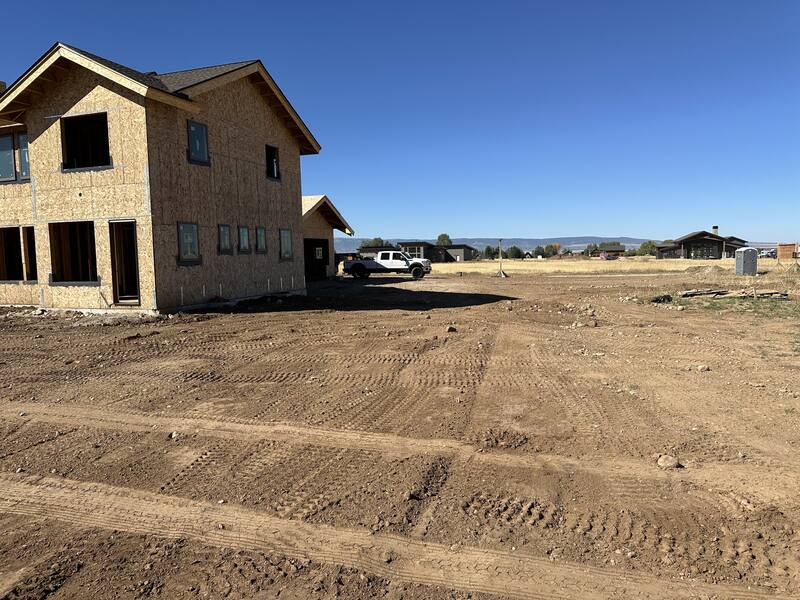
Custom home build schedule delays in Idaho are the second-most common complaint in builder reviews, right behind cost overruns — and like overruns, most of them are predictable. “The only delay we had was four weeks” is the kind of line you see even in positive reviews, because some slippage is treated as inevitable. It is not. Here is a builder’s breakdown of why custom home build schedule delays happen in Idaho and how a disciplined builder keeps your project on time.
What causes custom home build schedule delays in Idaho?
Custom home build schedule delays in Idaho come from five main sources: permitting timelines, weather and the short building season, subcontractor availability, late owner selections, and unforeseen site conditions. In Eastern Idaho and Teton Valley the season matters more than most owners expect — you do not want to be pouring foundations in January if you can help it. A good builder does not pretend these risks do not exist. They schedule around them.
How permitting and the Idaho building season cause delays
Permitting and the short Idaho building season cause schedule delays when a build starts at the wrong time of year. Permit review in Teton, Jefferson, and Madison counties can take weeks, and if that pushes your dirt work into deep winter, you lose ground. The fix is sequencing: get design, engineering, and permits done over the winter so you break ground as soon as the ground allows, and you get the weather-sensitive work — excavation, foundation, framing, dry-in — done in the good months. Builds that start late chase the season all year.
How subcontractors and selections cause schedule delays
Subcontractors and late selections cause schedule delays more often than weather does. In a busy market the good trades — framers, electricians, plumbers, drywall crews — are booked out, and a build only stays on time if those crews are scheduled and confirmed well ahead. Owner selections are the other silent killer: if your cabinets, windows, or tile are not ordered on time, the whole sequence stalls waiting on a six-week lead item. A builder who manages subs tightly and pushes you to lock selections early is protecting your schedule, even when it feels like nagging.
How a builder keeps a custom home on schedule
A builder keeps a custom home on schedule with a real construction schedule, confirmed subs, and a selections deadline tied to lead times — not optimism. That means a week-by-week plan built backward from your move-in, long-lead items ordered early, trades locked in before they are needed, and the owner getting honest updates when something shifts. It also means handling problems before they cascade: the best schedule protection is a builder who spots the conflict three weeks out instead of the day the crew shows up. At SwagerBuilds we build the schedule the same way we build the budget — detailed up front, so there is little left to surprise us.
Questions to ask about schedule before you hire a builder
You can gauge schedule risk by asking an Idaho builder a few pointed questions. Ask: “Can I see a sample construction schedule from a recent build?” Ask: “What time of year will we break ground, and why?” Ask: “Are your subs confirmed before my start date or booked as we go?” Ask: “When do you need my selections finalized, and what happens if a lead item is late?” A builder with schedule discipline answers in specifics. A builder who shrugs and says “it takes what it takes” is telling you to expect the four-week delay — or worse.
The bottom line on custom home build schedule delays
Custom home build schedule delays in Idaho are mostly a planning problem, not a weather problem. Permitting, season, subs, and selections are all knowable risks, and a builder who sequences the work around them keeps your project on time. Reviews that praise a builder for finishing “on time without the usual hassles” are really praising one thing: a builder who planned. That is the standard worth hiring to.
Want a build with a real schedule and an honest start date? Contact SwagerBuilds to talk timeline for your project in Eastern Idaho, Teton Valley, or Jackson Hole.
Leave a Reply